
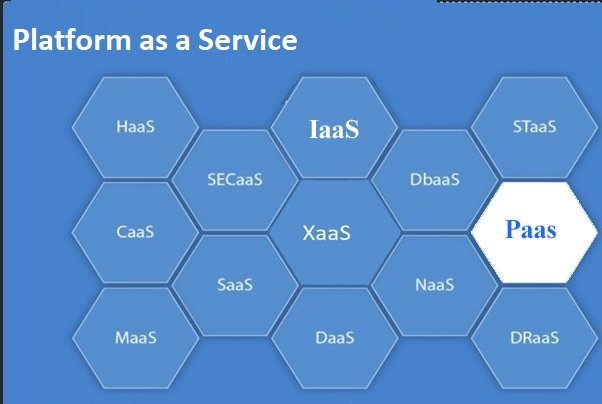
What Is PaaS — Platform as a Service

Platform as a service is a cloud computing model in which a Third-Party Provider Delivers Hardware And Software Tools To Users Through An Internet Communication Channel.
These tools are typically widely used in the development of new applications. A PaaS provider hosts hardware and software on its infrastructure.
As a result, PaaS should be described as a solution that frees developers from the hassle of installing hardware and software. Thus, you no longer need to update tools like Visual Studio constantly.
PaaS tools are easy to use and do not impose any particular complexity on users. Typically, users have to pay a usage fee. Some organizations prefer to use PaaS solutions rather than internal options to avoid potential costs.
How does PaaS work?
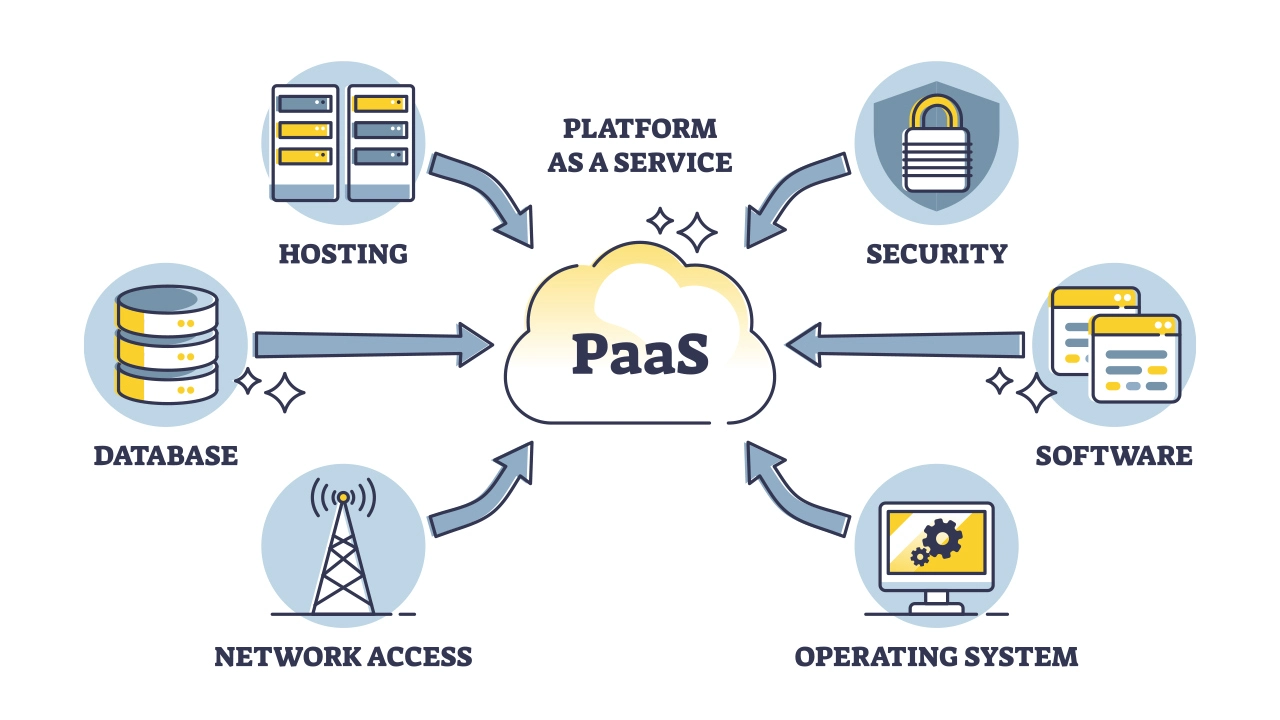
PaaS has the potential to be a complementary solution to interacting with companies’ IT and software infrastructure in software development. All you need to take advantage of the platform is a cloud-based hosting infrastructure, as users need a browser to access the features required.
The PaaS solution can be implemented across public, private, and hybrid clouds to host development programs and tools.
Among the essential services that PaaS provides are the following:
- Better cooperation and interaction of development teams.
- Program design and development.
- Testing and deploying programs.
- Web service integration.
- Information security.
- Database integration.
Typically, users pay for PaaS regularly. However, some providers charge a monthly fee to access platforms and applications.
What is the difference between PaaS, IaaS, and SaaS?
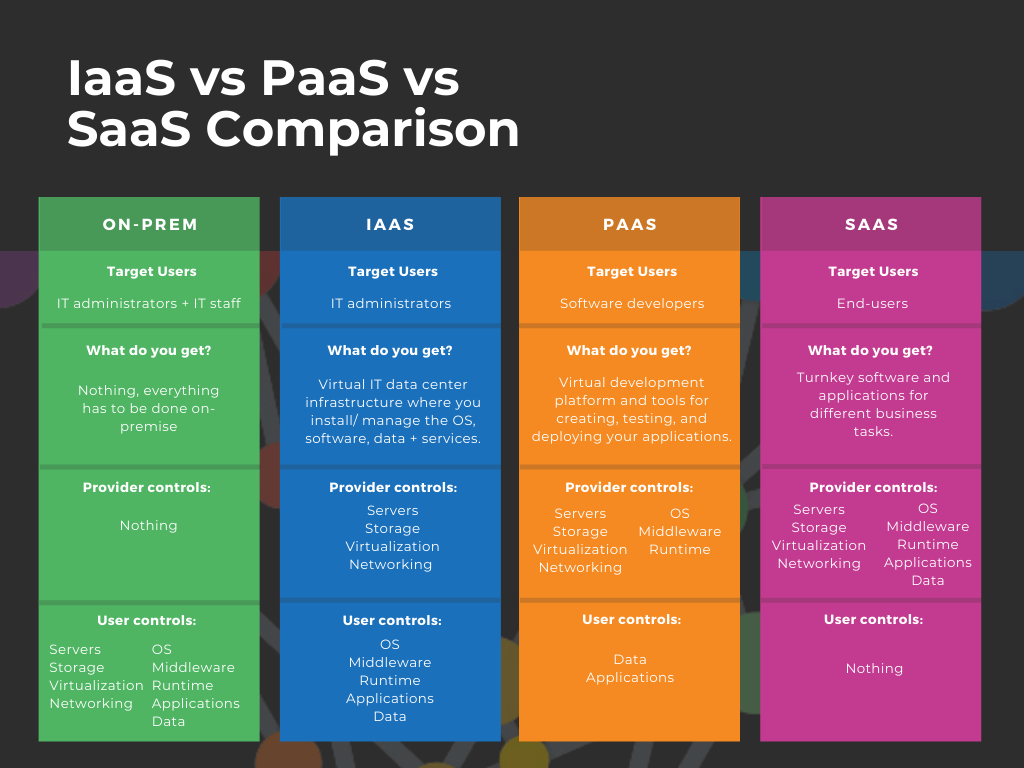
PaaS is one of the three main trends in cloud computing services. The other two are software as a service (SaaS) and infrastructure as a service (IaaS). With IaaS, a service provider provides access to storage, computing, and network infrastructure through a hypervisor as a virtual layer.
Users must create virtual machines, install operating systems, back up applications and data, and perform all configurations and management processes. Major companies in this field include IaaS providers DigitalOcean, AWS, and Google Cloud Platform (GCP).
Using PaaS, a provider provides more application services than IaaS solutions and provides consumers with operating systems, firmware (such as databases), and other cloud-hosted runtime environments. Robust solutions include AWS Elastic Beanstalk and Google App Engine.
With SaaS, a service provider provides a complete set of applications. Users log in and use an application that works perfectly in the provider’s infrastructure.
Typically, SaaS applications are accessible through a web browser and are managed by SaaS providers. Successful examples include Salesforce, Dropbox, and Google Workspace.
Pros And Cons of PaaS
PaaS’s main advantage is its simplicity and convenience for users. The PaaS provider provides much of the IT infrastructure and services so users can access them through a web browser from anywhere. The ability to pay for each use allows companies to reduce or eliminate the costs associated with traditional software and hardware maintenance patterns.
Service delivery availability and flexibility are among the biggest challenges for PaaS. If a provider discontinues service or changes the infrastructure usage pattern, it will negatively impact customers and cause economic losses. Typically, PaaS service providers stay in the market for a long time.
Restricting customers from using the enterprise resources of the PaaS service provider is another problem that prevents users from easily using competitor services or accessing stored data on a competing infrastructure. Users should consider these points when choosing a PaaS provider.
Internal changes in a PaaS product are another potential challenge.
For example, suppose a PaaS provider stops supporting a particular programming language or opts to use another set of development tools. In that case, it will negatively affect developers’ or users’ work. Users should follow the PaaS service provider’s roadmap to understand how its strategy will affect their applications.
Many PaaS products are for software development. These platforms provide storage and computing infrastructures with text editors, version management, test services, and compilers to help developers build new software more efficiently and quickly.
A PaaS product can foster strong collaboration among development teams without requiring their physical presence on-site.
PaaS architecture hides basic infrastructure from developers and other users. As a result, this model is similar to serverless architecture and serverless-as-a-service. The cloud service provider manages and executes the server and controls the distribution of resources.
The most critical PaaS solutions available to users are the following:
- Public PaaS
- Private PaaS
- Hybrid PaaS
- Communications PaaS
- Mobile PaaS
- OpenPaaS
FAQ
What does PaaS provide besides virtual servers?
It also provides runtime environments, middleware, databases, development tools and services like CI/CD, hosting, and scaling.
Who benefits most from using PaaS?
Developers and teams who want to build and deploy applications quickly — without managing hardware, updates, or infrastructure maintenance.
Can PaaS applications scale automatically if usage increases?
Yes — PaaS platforms typically offer automatic scaling and resource allocation to handle increased load and demand.