
How to Disable Pop-Up Notifications in Google Chrome

Pop-up notifications in Google Chrome, as helpful as they are, Can Distract Users. In This Article, We Will Teach You Two Different Ways To Block Pop-Up Notifications In Google Chrome.
Many websites ask the user for permission to display notifications. These notifications can be helpful, but in some cases, they can be more annoying. This tutorial will prevent pop-up notifications from being sent to Google Chrome in two ways.
How to delete and turn off Pop-Up notifications in Google Chrome
If you do not want to receive website notifications, you can block all requests in Google Chrome settings.
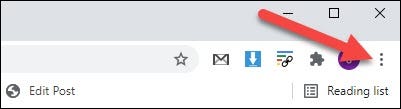
Launch the Chrome browser, then from the top-right corner, click the hamburger menu (three lines stacked on top of each other).
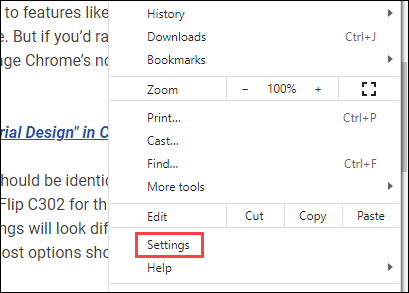
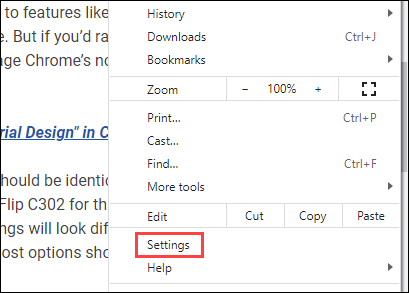
In the next step, click on the Settings option.
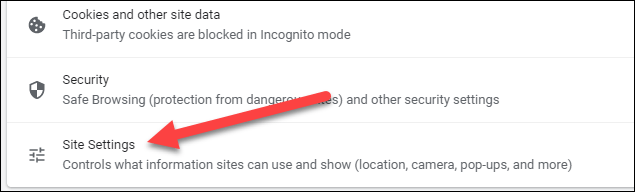
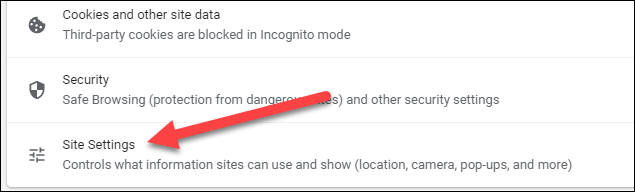
On the page that opens, scroll down and click on Site Settings.
Now, click on Notifications in the Permissions section.
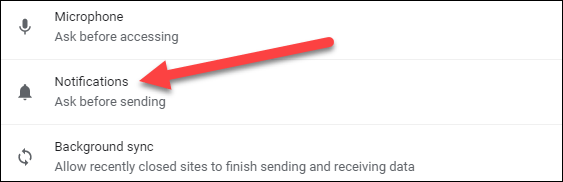
On the page that opens, you can turn off notifications forever.

By turning off this section, no other website can send you notifications.
Turn off pop-up notifications in Google Chrome for specific websites
Google Chrome has a feature that lets you turn off notifications from particular websites.
First, open Chrome, then from the top right, click the hamburger menu (three lines stacked on top of each other).
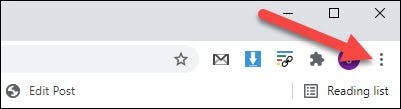
In the next step, click on the Settings option.
On the page that opens, scroll down and click on Site Settings.
Click Notifications in the Permissions section.
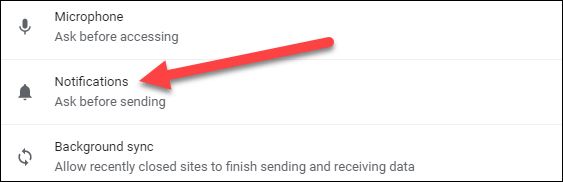
On the new page, you will see a list of websites. If you have already disabled website notifications, they will be in the Block section at the top. The websites that are allowed to send messages are in the Allow section.
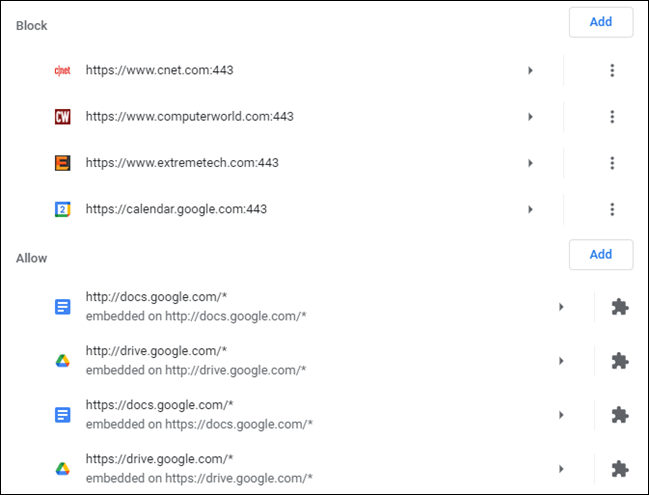
There are several ways to block, allow, and edit a website.
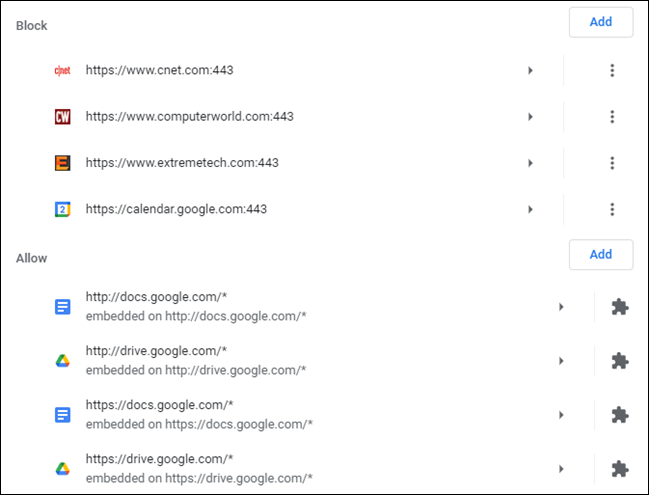
In the Block section, click the three dots next to each website’s name. You can now change the notification for the desired website according to your opinion.
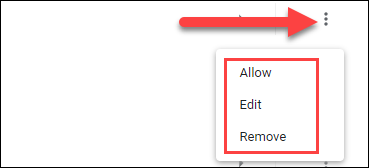
You can create the list you need to block or allow notifications by clicking Add.
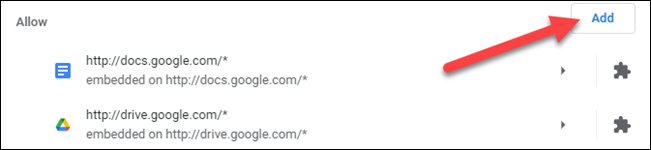
This way, you can manage notifications sent from websites in Google Chrome.
Do you manage pop-up notifications in Google Chrome, or do you allow all websites to send you messages? Please share your views with other users and us.
What if you want notifications again?
If you’ve blocked notifications to a site and you want to re-enable them, it’s pretty simple.
First, return to the website. You’ll likely be asked whether you want to subscribe to notifications; select ‘Allow’ to resume them.
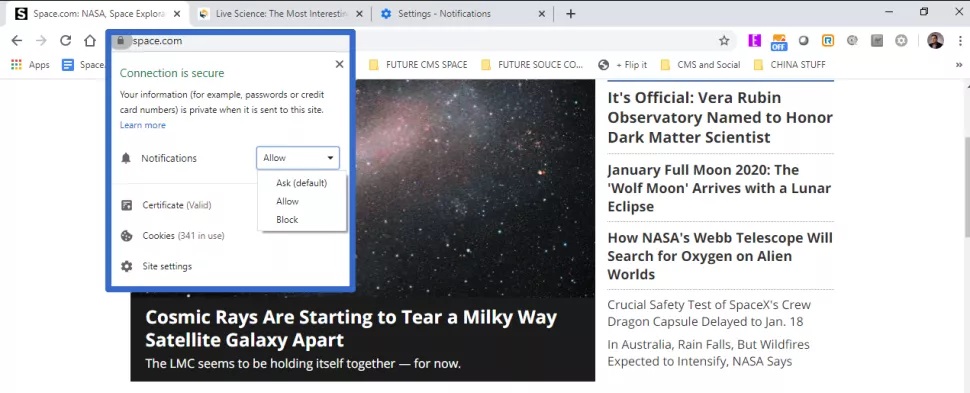
You can also select the padlock logo to the left of the URL bar when on a website to access the ‘Notifications’ section for that website. A drop-down menu offers ‘Ask (default),’ ‘Allow,’ or ‘Block,’ and you can choose accordingly.
How to turn off notifications in Safari on Mac
If you’re using Safari on a Mac, adjusting your notifications is slightly different.
On a Mac, open Safari preferences, then find the ‘Websites’ option at the top of the screen.
Click on ‘Websites .’ In the list on the left, you’ll see an option labeled ‘Notifications.’ Any sites you may subscribe to will be shown here.
To change the notification settings for each site, select ‘Allow’ or ‘Deny’ in the drop-down menu on the right. Select ‘Deny’ to stop notifications on your Safari device.
FAQ
How can I turn off pop-up notifications in Chrome?
Go to Chrome Settings → Privacy and security → Site Settings → Notifications → toggle off “Sites can ask to send notifications.”
Can I block notifications only for specific sites?
Yes — under Notifications settings, you can manage “Allowed” and “Blocked” lists and remove or block sites individually.
Will this stop all pop-ups or just notifications?
This disables notification prompts; it won’t block all pop-ups (like ads or dialogs) — for broader pop-up blocking, enable “Pop-ups and redirects” blocking under Site Settings.