
What Is XaaS?

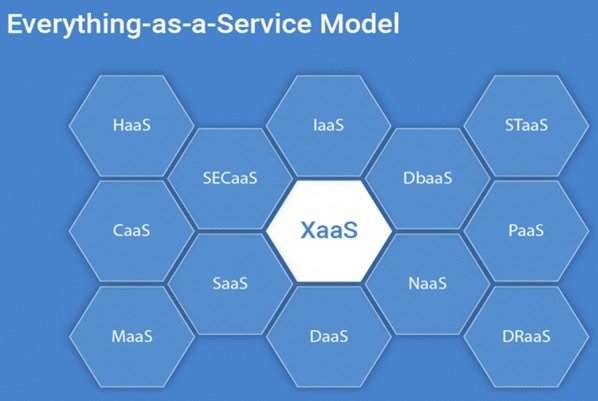
Title X as a service is a general term for any cloud-based service. XaaS refers to various tools, products, and technologies vendors provide users based on their network service patterns.
These services are available to local users or companies via the Internet.
Examples of XaaS
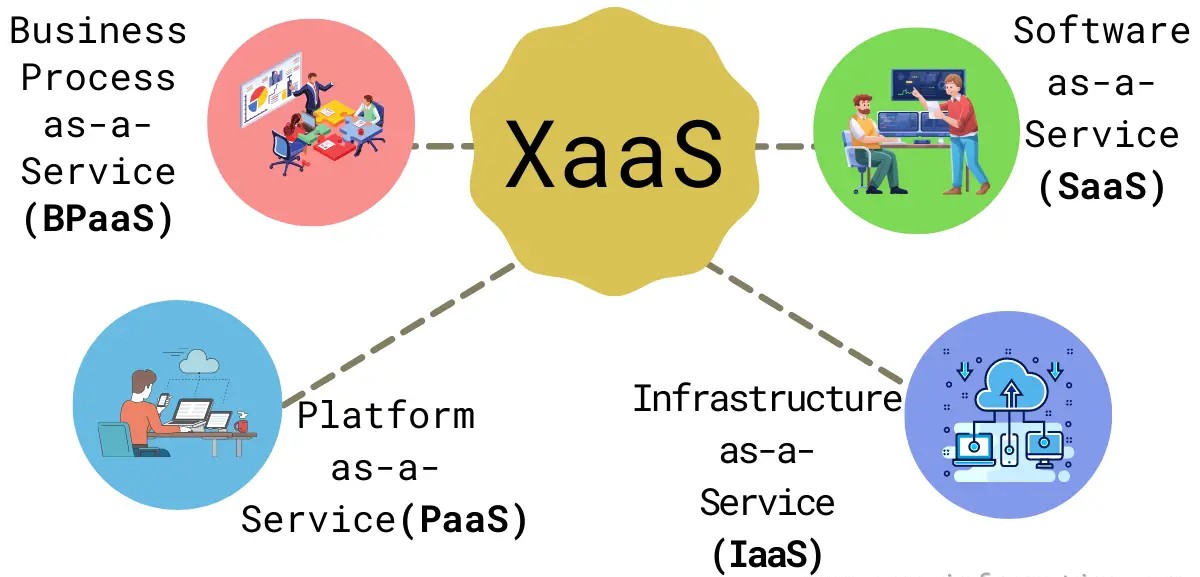
XaaS has numerous examples; however, in cloud computing, it is divided into three main service models: software as a service (SaaS), platform as a service (PaaS), and infrastructure as a service (IaaS).
SaaS refers to a wide range of user-centric applications, including Google Apps, Microsoft Office 365, and Salesforce.
PaaS refers to Amazon Web Services (AWS) Elastic Beanstalk, Heroku, Force.com, Google App Engine, and Apache Stratos, which typically provide preconfigured virtual machines that offer system resources for developing and testing applications. Developers put.
IaaS enables organizations to deploy and configure virtual machines hosted in a vendor’s data center and to manage them remotely. Powerful IaaS services include Microsoft Azure, Google Compute Engine, and AWS Elastic Compute Cloud.
XaaS also has applications in other areas, including Storage as a Service, which uses cloud-based storage systems to store applications and data. Database as a Service (DBaaS) provides access to a cloud-based database platform; public cloud providers such as AWS and Azure offer DBaaS services.
Cloud service models
Malware-as-a-Service refers to the use of public cloud services to help organizations address common ransomware and distributed denial-of-service (DDoS) attacks. VMware AppDefense is a leading example of MaaS.
Disaster recovery, communications, and network-as-a-service are practical examples of XaaS.
Advantages and disadvantages of XaaS
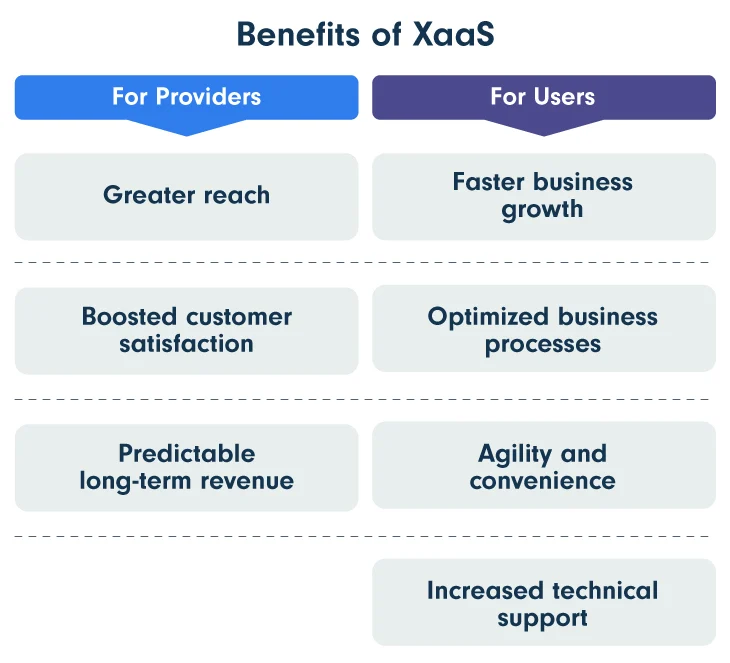
Organizations choose the XaaS model because it is economical and easy to deploy. Any cloud service that reduces servers, hard disks, network switches, and software deployments can eliminate unnecessary parts of the IT infrastructure.
The less in-house deployment, the less physical overhead and the less space required for equipment, cooling mechanisms, and energy.
In addition, using an outsourced service instead of in-house technology shifts a large portion of the cost of capital (Capex) to operating costs (Opex) in the business’s service.
Despite their potential benefits, XaaS services face flexibility and reliability issues. In addition, some companies tend to have more control over the environment and infrastructure to assess their services and make more detailed analyses.
In addition, if a service provider quits its job, it poses a serious challenge to its customers because third-party customers are denied access to the company’s services for some time.
FAQ
What does XaaS stand for?
XaaS stands for “Anything as a Service,” a term for cloud-delivered services of nearly any technology or business function.
How is XaaS delivered?
XaaS services are accessed online and billed on a subscription or usage basis instead of being installed or maintained locally.
Why is XaaS important for modern IT?
It enables scalable, flexible, and cost-effective access to software, platforms, infrastructure, and more without owning physical resources.