
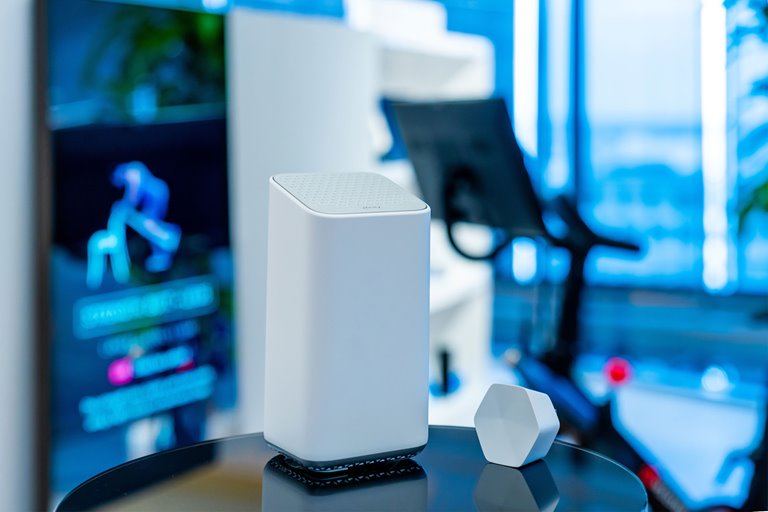
What Is a Gateway — And How It Works

Many prioritize Achieving The Best Home WiFi connection, but what hardware is needed to achieve this goal?
To connect to your home WiFi, you need two WiFi devices: a modem and a router. Gateways combine a modem and a router into a single device. But which option is better? Is it better to use a gateway instead of a modem and router?
It all depends on how you use your home internet. This article will introduce Gateway and its dos and don’ts for home WiFi.
Understand Gateways, Modems, and Routers.
The most prominent feature of gateways is the combination of a modem and a router. However, to understand the Gateway’s mechanism, you must first know the operation of the modem and router. In the following, we will compare modems and routers.
What is a modem?
A modem is a single point of connection through which the Internet enters your home. Every device connected to the Internet at home is connected to a modem.
ISPs usually also provide modems for their users. Talk to your service provider about their policies if you want to get a different modem or buy one elsewhere.
What is a router?
While the modem is the only access point to the Internet, the router can be considered a splitter, allowing more than one device to connect to the port. Since routers are also used to distribute WiFi, they can be viewed as a wireless chain for the modem. Wireless devices connect to the Internet through modems and routers.
What is a gateway?
We can define their gate now that we understand the modem and router. A gateway combines the entry point of Internet connections with the distribution point, so you no longer need a dedicated modem and router.
Gateways, like modems, are provided to users by an Internet Service Provider (ISP). However, you can buy them from elsewhere. If you have recently contracted with an ISP, ask them to provide you with a gateway instead of the default modem and router.
Some service providers offer modems if you have a router. However, if you prefer a gateway to the modem, you can ask your ISP to provide one.
Is the Gateway better than the modem and router?
The answer to this question is not simple. The benefits of a gateway, modem, and router depend on how they are used.
From a performance standpoint, Advantages of using Gateway, Gitowe wins this comparison. One device means fewer cables than two devices. Gateways are more significant than a modem or router. Still, it is easier to use and adjust after the initial gate. A gateway is essentially a router.
From a diagnostic point of view, you should know that the problem is with the router or modem, but if there is a gateway, you see the problem is with the Gateway.
Advantages of using modems and routers
Having a separate modem and router gives you more freedom of action. You can adjust the modem and router to suit your needs. This is especially true when using a specialized router like a VPN Router. Gateways are also a viable option for Wi-Fi-to-Wi-Fi connectivity.
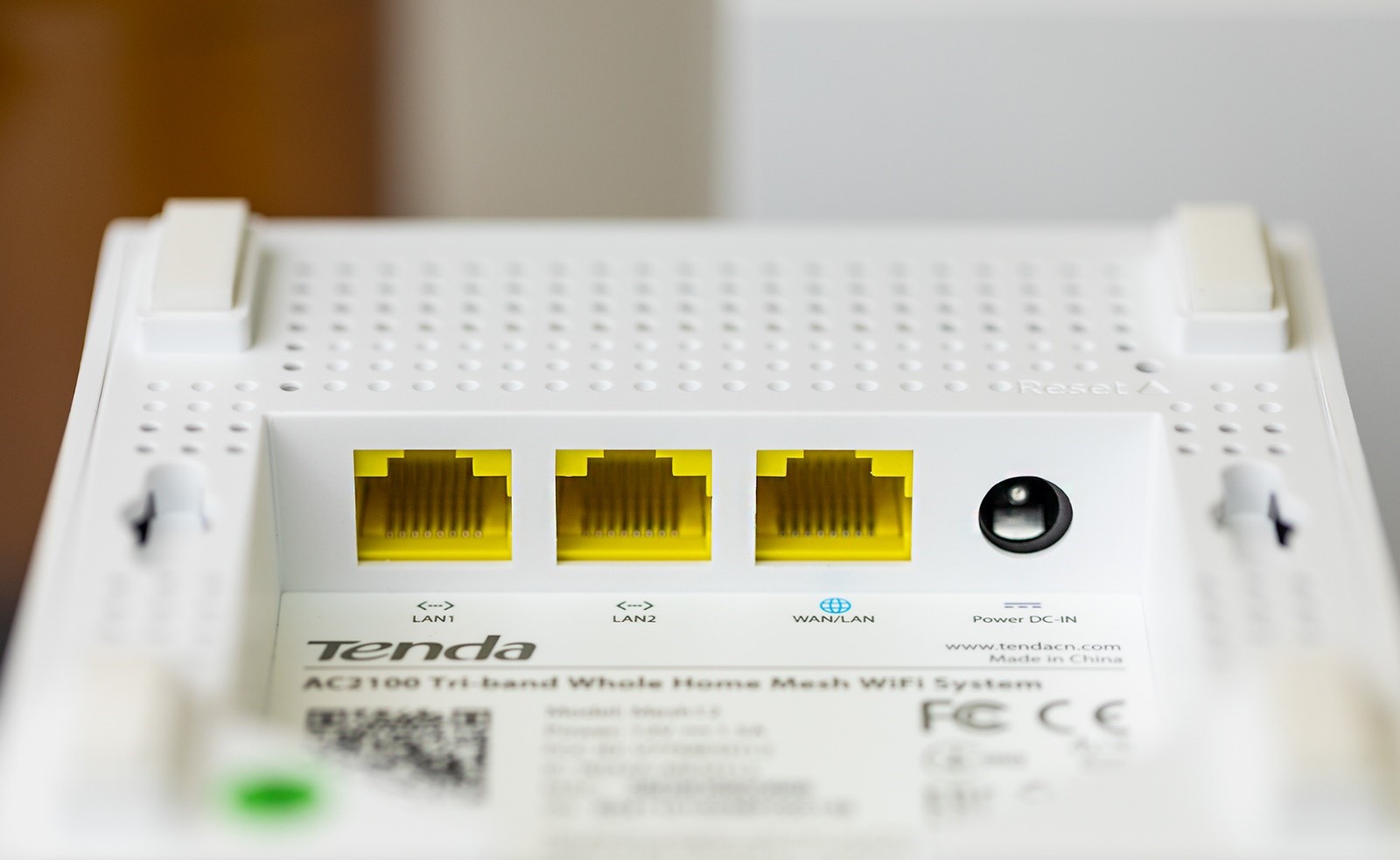
Gateway Internet vs. Modems and Routers: A Comparison of Costs
The price of a modem, router, or Gateway depends on your location. Gateways are comparable in cost to routers. If you have a modem on your router and your ISP has provided these devices, using a gateway is not much different. Gateways, on the other hand, are more expensive than modems.
As a result, if you can receive a modem or a Gateway, you can save on your monthly expenses by purchasing a modem. On the other hand, not all Internet service providers provide gateways to customers.
Suppose you are a mobile internet user with no special web access requirements. In that case, gateways are a more convenient and user-friendly option, but if you are a web expert with unique concerns and needs, modems and routers offer greater flexibility. The cost of ISP settings and limitations are probably the most essential criteria in choosing a gateway, modem, and router. Ultimately, the choice is yours.
FAQ
What does a gateway do?
It acts as the entry/exit point for a network, forwarding data packets destined for outside networks and converting protocols when needed.
How does a gateway work when sending data outside the network?
If a device’s destination address isn’t in the local network, the packet is sent to the gateway. The gateway then processes the packet, performs any required protocol translation or address mapping (like NAT), and forwards it toward the destination network.
What kinds of gateways exist?
Common types include default gateways (home/internet routers), protocol gateways (for translating between different network protocols), VPN gateways (for secure remote access), IoT or cloud gateways, and virtual gateways used in software-defined networks.