


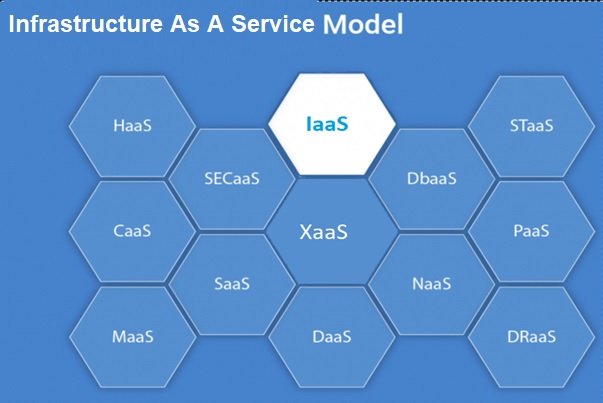
Infrastructure As A Service (IAAS) Is The Name Of The First And Most Basic Cloud Computing Model That Emerged Before The SaaS And PaaS Models.
As with the two models, the infrastructure serves as an Internet-based service and generally provides an Internet-based communication channel for accessing computing resources.
What is Infrastructure As A Service (IaaS)?

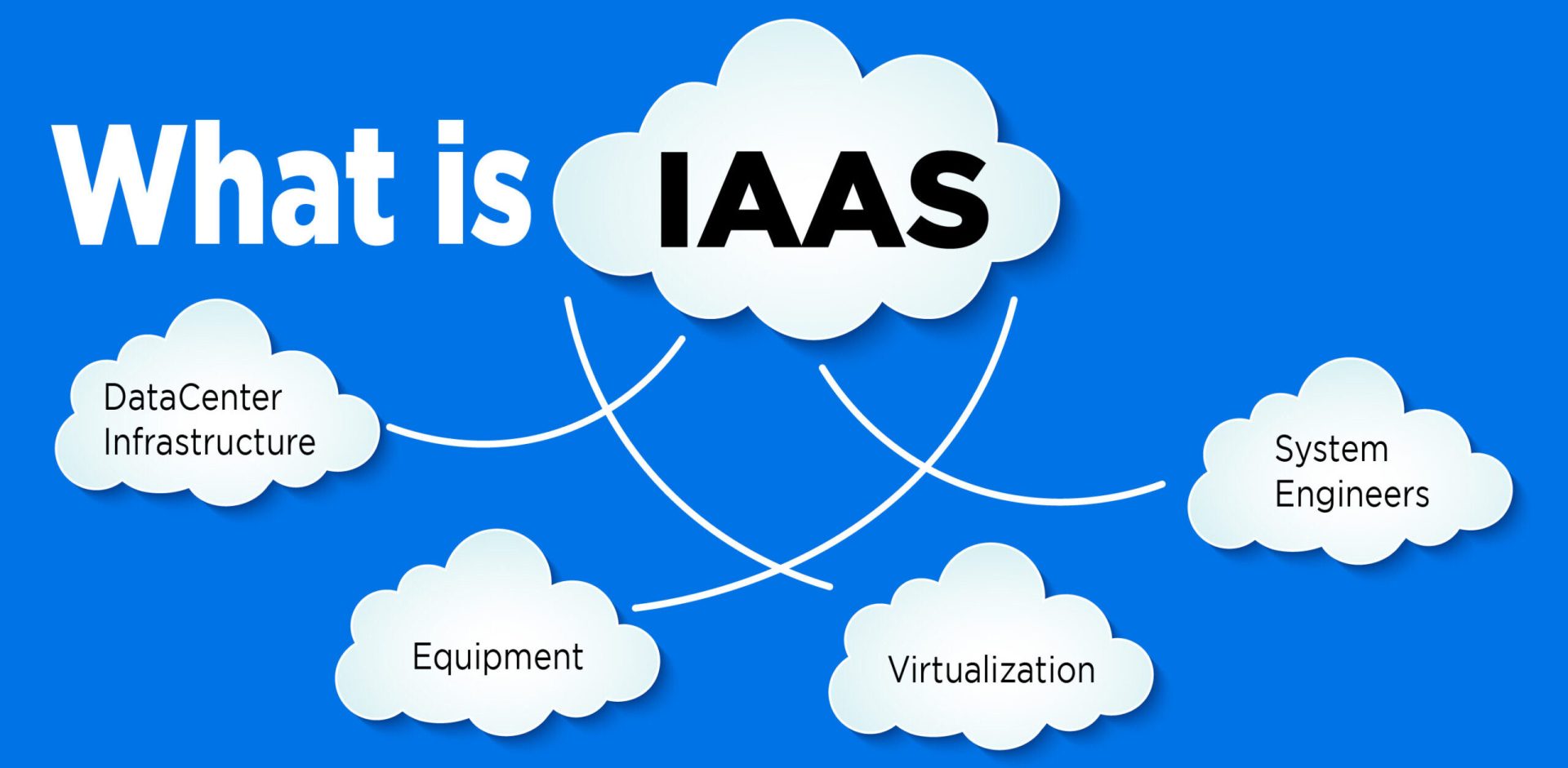
By virtualizing physical hardware, IaaS helps companies that cannot afford expensive hardware reduce costs and achieve the required processing power. This computational infrastructure can be a virtual server, network communications, bandwidth, IP addresses, and load balancers.
These hardware resources consist of interconnected servers within the network architecture of several data centers, managed by a cloud service provider.
The operation of the above infrastructure gives customers access to virtualized components, enabling them to easily implement their IT infrastructure.
As mentioned in the IaaS model, the cloud provider manages information technology infrastructure, such as storage, servers, and network resources, and provides it to organizations through virtual machines accessible via the Internet. IaaS can benefit organizations by providing flexibility, cost-effectiveness, and faster workflows.
Infrastructure As A Service(IaaS) Architecture

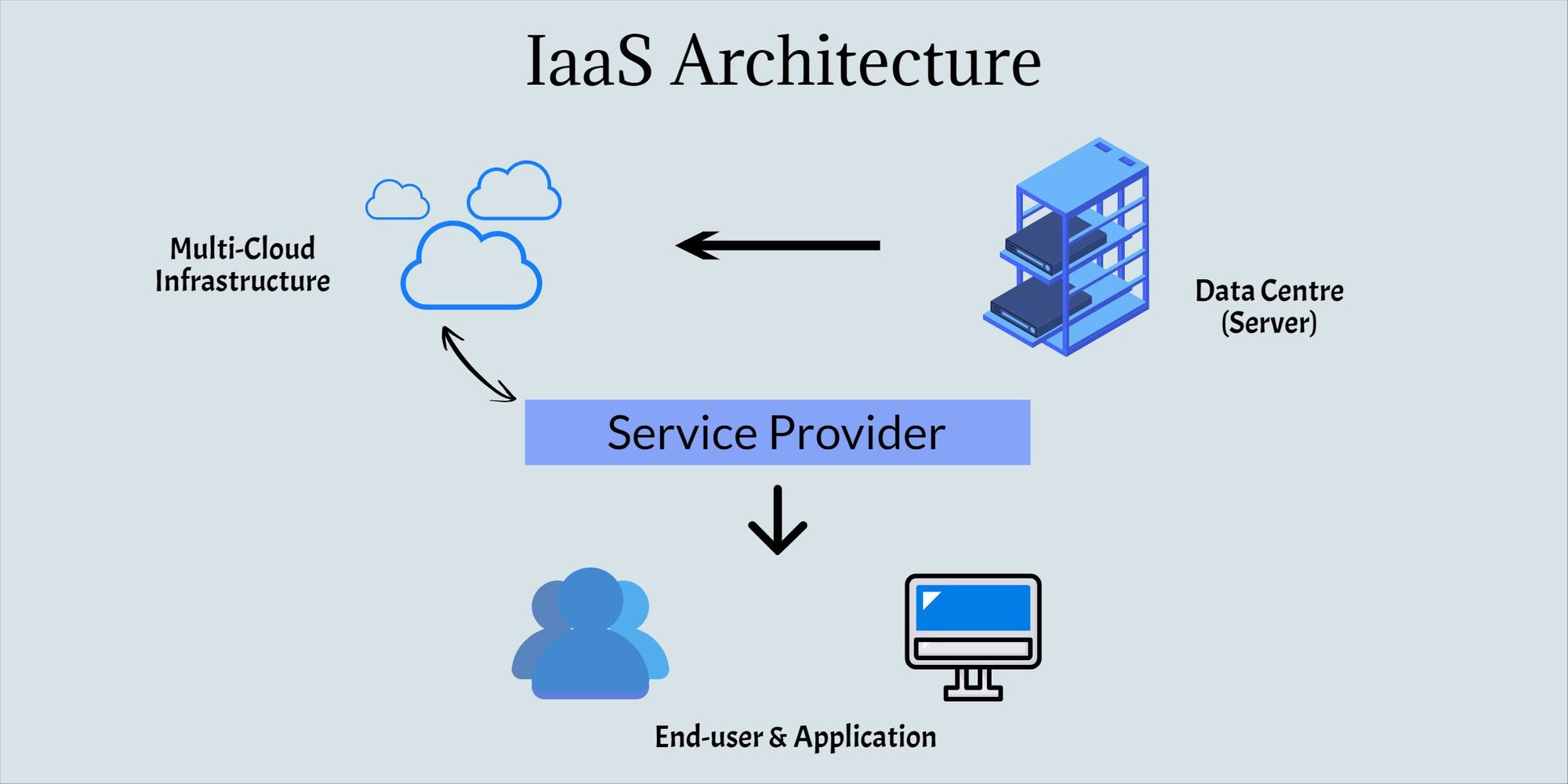
In an IaaS model, the provider hosts the infrastructure components that were traditionally housed in an internal data center. These components include servers, storage, network hardware, and the hypervisor layer.
In addition, IaaS service providers offer a range of application services with access to infrastructure components, the most important of which include accurate billing, continuous monitoring, secure login and access, up-to-date security mechanisms, load balancers, clustering, and flexibility. Storage, backup, and recovery are also noted.
These services are increasingly policy-oriented, enabling IaaS users to apply greater levels of automation and regulation to critical infrastructure tasks. For example, a user can implement policies to balance bandwidth and traffic load to maintain application availability and performance.
How does IaaS work?
IaaS customers access resources and services over a wide area network (WAN), such as the Internet, and can use cloud services to install the remaining components of the application stack. For example, the user can log in to the IaaS platform to build virtual machines (VMs), install an operating system on any VM, create tools such as databases, create storage buckets for workloads and backups, and build enterprise workloads on the VM.
Guide certain virtual. Customers can then use the service provider’s services to track costs, monitor performance, balance network traffic, troubleshoot program issues, and manage post-disaster recovery.
Each cloud computing model requires a provider, often a third-party organization specializing in IaaS sales.
Amazon Web Services and Google Cloud Platform are examples of independent IaaS providers. A business may also opt for a private cloud and become its own infrastructure service provider.
Benefits of IaaS
Organizations choose IaaS because it is fast and easy, they pay for the services they receive, and they have more power over managing and supporting core infrastructure. With Infrastructure-as-a-Service (IaaS), a business can quickly lease infrastructure from other companies. IaaS is an efficient cloud service model for temporary, experimental, or unpredictable workloads.
For example, if businesses develop a new software product, hosting and testing it with an IaaS provider is more cost-effective. Once the latest software has been tested and modified, the company can remove it from the IaaS environment, keeping the primary deployment goal in mind.
In general, IaaS customers pay per user hourly, weekly, or monthly. Some IaaS providers also charge customers based on the amount of virtual machine space they use. The pay-as-you-go model eliminates the cost of using internal hardware and software.
When a business fails to use third-party services, it creates a private cloud within the organization that can provide control and scalability, such as IaaS. However, in terms of costs, it loses the benefits of IaaS.
FAQ
What does IaaS provide?
Virtual machines, storage, networks, and other infrastructure components accessible on demand.
Why choose IaaS over owning physical servers?
It reduces upfront costs, provides flexibility to scale resources up or down, and offloads hardware maintenance to the provider.
Who benefits most from IaaS?
Startups, growing businesses, or projects needing scalable, flexible infrastructure without large initial investment.